







Search Results for: Cold Brew Making Steps
What Is Cold Brew Coffee? A Detailed Guide to Cold Brew Making Steps and an Analysis of How It Differs from Iced Americano
In the heat of summer, iced coffee becomes the top choice for many people looking to cool down. Among the many types of iced coffee, cold brew (cold water extraction) coffee has quickly won over young consumers with its clean, full-bodied taste, even putting traditional iced Americano under considerable competitive pressure. Cold brew coffee uses a low-temperature, long-steep extraction method, which effectively avoids bitterness and fully releases the sweet and sour flavors of the coffee beans. It is especially suitable for light to medium roast beans, but takes 8 to 12 hours to make. Iced Americano, on the other hand, relies on high-temperature, high-pressure rapid extraction of espresso followed by dilution with water, offering a rich, intense taste and quick preparation. In this article, Front Street Coffee will explain the steps for making cold brew coffee in detail, demonstrate using Panama Butterfly coffee beans as an example, and take a deep dive into the core differences between cold brew and iced Americano. [more…]
Cold Brew Iced Coffee Bean Selection Guide: Single-Origin Coffee Bean Recommendations and a Full Breakdown of the Brewing Steps
As temperatures rise, iced coffee becomes a favorite for many, and cold brew, with its advantages of simple operation and suitability for home brewing, has become a popular choice for summer. However, does cold brew coffee have any special requirements for coffee beans? Which single-origin beans can produce good flavor? This article starts with the cold brew method of Front Street Coffee, explaining in detail the key steps such as coffee-to-water ratio, grind size, and steeping time, and recommends coffee beans suitable for cold brew by flavor type—from the refreshing juicy feel of washed light roasts, to the intensely fruity and wine-like anaerobic natural and honey-processed beans, and then to the balanced and rich nutty profile—to help you find the cold brew solution that best suits your taste. [more…]

Cold Brew Coffee Low-Temperature Extraction Principle Explained: Home Brewing Steps and Four Front Street Coffee Fruity Coffee Bean Recommendations
On a scorching summer day, a glass of cold brew coffee always brings a refreshing, fruity experience. Cold brew coffee uses ice water to drip evenly; after 6 to 8 hours of low-temperature extraction and then overnight refrigeration and fermentation, it ultimately presents a unique flavor that is sweet and mellow with only a faint bitterness. Starting from the scientific principles of low-temperature extraction, this article will break down in detail the process of making cold brew coffee, including key steps such as equipment selection, coffee bean pairing, grind size control, drip rate and coffee-to-water ratio settings, and recommend four Front Street Coffee beans suitable for making cold brew—Huakui, Kenya Little Tomato, Xizhao, and Huahudie—to help you make a cup of outstanding fruity cold brew at home. [more…]
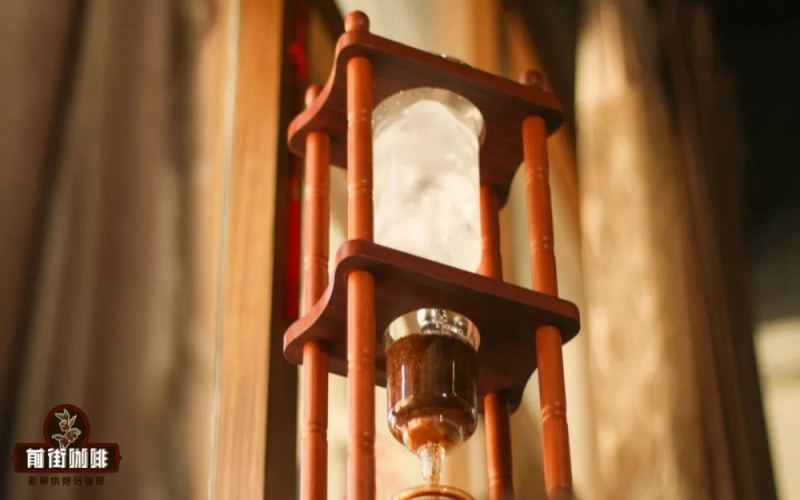
Cold Brew Coffee Making Guide: A Detailed Explanation of 6 Key Steps and Parameters from Bean Selection to Drip Filtration
Cold brew coffee is deeply favored by enthusiasts for its rich, wine-like body and refreshing fruity aroma, but recreating the ideal flavor at home requires precise control over bean selection, grinding, ratio, extraction, and aging. This article systematically outlines the 6 core steps for making cold brew coffee, including suitable roast levels and single-origin bean recommendations, coffee grounds coarseness standards, the golden coffee-to-water ratio, techniques to avoid channeling, optimal drip rate settings, and refrigeration fermentation methods for enhancing flavor. The article specifically includes suggestions for several single-origin beans from Front Street Coffee, such as Bird of Paradise, Queen's Estate Brazil, and Honduras Sherry, to help you create a cup of cold brew coffee that combines bright fruity acidity with fermented depth through slow drip filtration and low-temperature aging. [more…]
Complete Guide to Cold Brew Coffee Making: Standard Steps, Flow Rate Control, and Time Explained
Cold drip coffee, with its lengthy brewing process and unique layers of flavor, has always been a topic of interest among coffee enthusiasts. Completely different from cold brew, cold drip requires specialized equipment, precise control of the water drip rate, and subsequent fermentation and aging. This article will analyze in detail the standard steps for making cold drip coffee from four dimensions—grind size, drip speed, extraction ratio, and aging time—and answer the common question of "how long does it actually take to make a cup of cold drip?" At the same time, the article also compiles Front Street Coffee's practical experience and parameter recommendations in cold drip production, helping you understand the complete process of this low-temperature drip coffee in a more systematic way. [more…]
Should Cold Brew Coffee Be Filtered? A Detailed Guide to Cold Brew Equipment, Steps, and Practical Tips to Speed Up Filtration
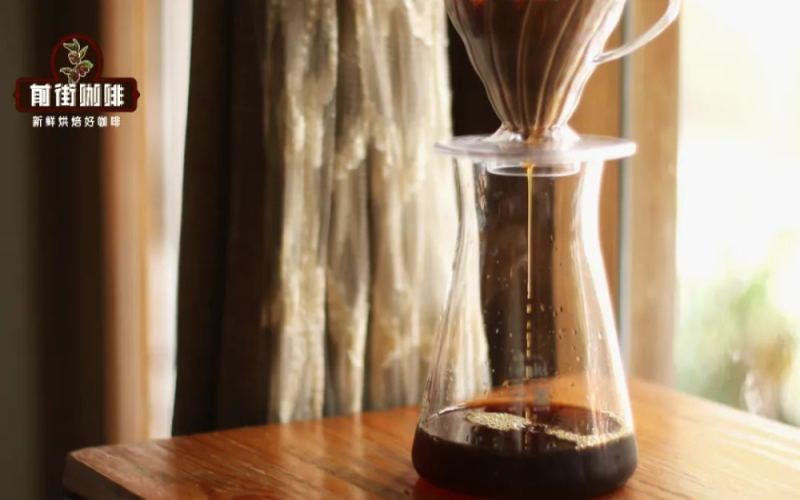
When making cold brew coffee at home, the most frustrating step is filtering: the filter paper gets clogged by fine particles, the coffee liquid drips slower and slower, and anyone in a hurry to leave the house can only wait anxiously. Why is the filtration speed of cold brew so much slower than pour-over at the same grind size? Is there a way to get the grounds out in one step, or even skip filtering altogether? This article focuses on the filtration problems of cold brew coffee. It first explains the principle behind clogging caused by fine particles clumping together, then offers three practical solutions: cold brewing directly with a non-woven filter bag, stirring thoroughly after brewing before filtering, and first laying down a bed of coarse coffee grounds to catch the fine particles. The article also includes Front Street Coffee's comparative experiment data and grind size recommendations to help you make a cold brew coffee with full flavor and refreshing fruity acidity. [more…]
Can Drip Bag Coffee Be Used for Cold Brew? Detailed Steps and Parameters for Making Simple Cold Brew Coffee at Home
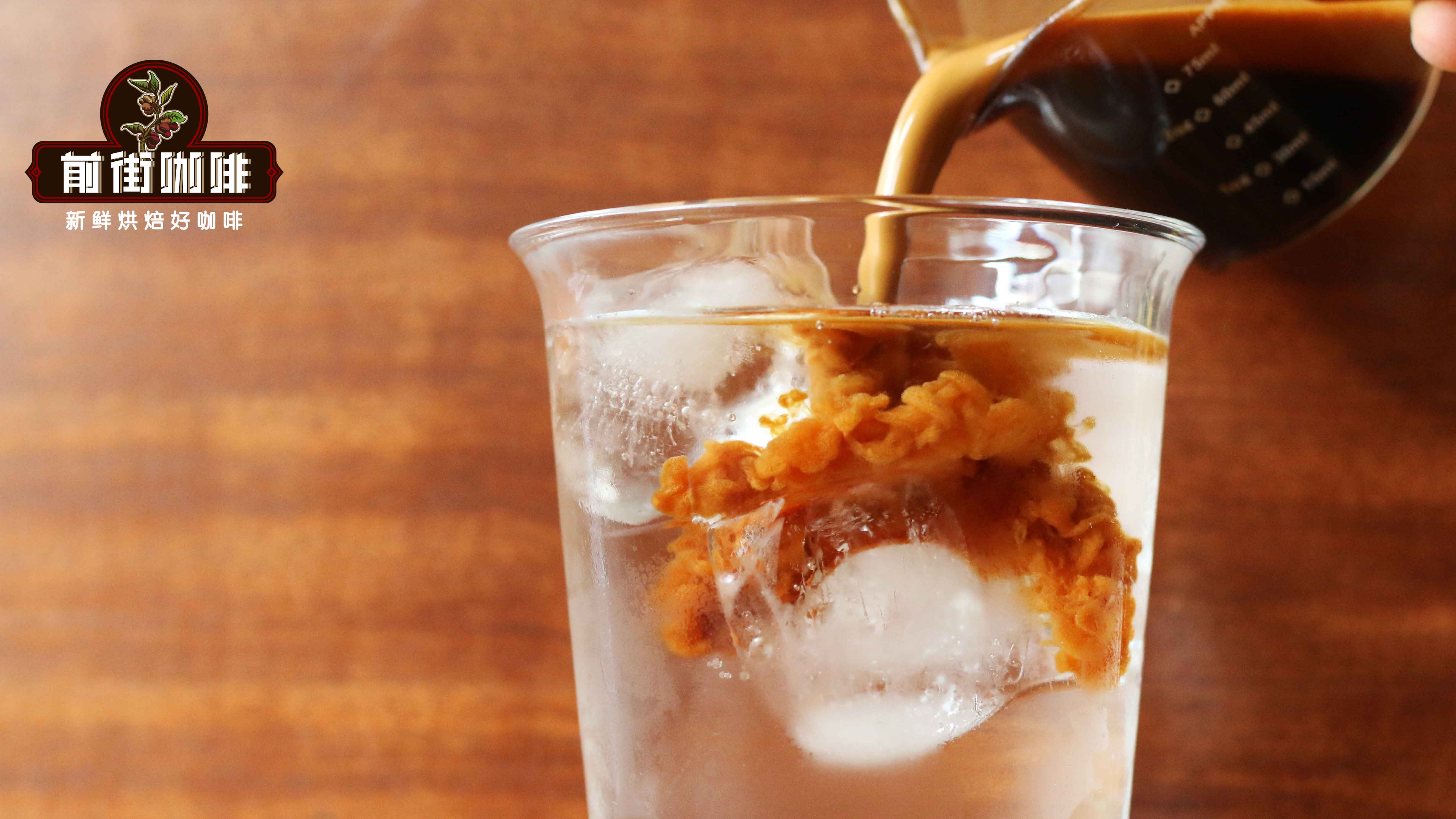
In the heat of midsummer, a refreshing glass of cold brew coffee is a favorite for many coffee lovers. But what if you don't have professional cold brew equipment at home? Actually, you can also make a decent-tasting cold brew coffee using drip bag coffee. Through actual testing, Front Street Coffee found that although drip bag coffee has a fixed amount of grounds and an unadjustable grind size, you can optimize the extraction effect by adjusting the water temperature and increasing the amount of coffee grounds used. This article will explain in detail the specific method for making cold brew with drip bag coffee, including the ratio of coffee grounds to water and ice, the steeping time, and why it is recommended to use multiple drip bags at once. At the same time, the article also provides a practical demonstration using a strawberry candy-flavored drip bag to help you easily make a refreshing, heat-relieving cold brew coffee at home. [more…]
Cold Brew Coffee Guide: Key Points for Choosing Beans and Detailed Brewing Steps
As temperatures climb, cold brew coffee—thanks to its simple preparation and refreshing taste—has become an easy at-home iced drink option for many coffee lovers. However, selecting the right coffee beans is just as crucial to making a delicious cold brew. This article provides a detailed introduction to Front Street Coffee's cold brew process, including the coffee-to-water ratio, grind size standards, and steeping time, while also recommending coffee bean types suited to cold brew based on different flavor preferences—from the juicy character of light-roasted washed beans, to the fruity wine-like aroma of anaerobic fermentation, and the balanced, rich nutty notes—helping you find the cup that best suits your taste. [more…]
Cold Brew Coffee Grind Size | What's the difference between ice drip, cold brew, and cold brew iced coffee? What are the steps to make cold brew coffee? How do you choose cold brew coffee beans?
For more specialty coffee knowledge, please follow our WeChat public account: FrontStreet Coffee. Recently, many friends have been asking about cold brew coffee, so Front Street is taking this opportunity to talk about "cold brew coffee." Cold brew coffee is essentially different from the usual hot water brewing. It uses [more…]
How to Choose Coffee Beans for Cold Brew? A Detailed Guide to Coffee-to-Water Ratio and Brewing Steps, with Three Recommended Beans
As the weather gradually warms up, a refreshing glass of cold brew coffee becomes a favorite for many coffee lovers. Cold brew is simple to make and easy to do at home, but choosing the right coffee beans is what really makes the flavor stand out. This article uses Front Street Coffee's cold brew method as an example to explain in detail the key parameters such as coffee-to-water ratio, grind size, and steeping time, and recommends three coffee beans suitable for making cold brew: Panama Butterfly, Ethiopia Yirgacheffe Red Cherry Project, and Costa Rica Musician Series Mozart. Whether you're after clean floral notes or prefer fermented winey aromas, you'll find the one that suits you. [more…]
Illustrated Guide to Cold Brew Coffee Making | What Single-Origin Coffee Beans Are Suitable for Cold Brew Coffee? What Are the Specific Steps to Make Cold Brew Coffee at Home?
Yesterday we shared how to make cold brew coffee, so today let's try the challenge of making ice drip coffee! Compared with cold brew, the ice drip method is more complicated and requires more effort and time. You can refer to the text and images in this article and adjust the process to suit your own equipment and preferences~ [more…]
Analysis of Cold Brew Coffee Extraction Principles and Flavor Characteristics, with Equipment Operation Steps and Usage Precautions
Cold brew coffee uses cold water at 5°C, slowly dripping through the coffee grounds over several hours of extraction, yielding a coffee liquid with rich aroma, a round and smooth mouthfeel, full body, and particularly outstanding flavor expression. Its greatest advantage is that it is neither sour nor astringent and does not irritate the stomach, which is thanks to the choice of dark-roasted coffee beans and the entire cold-water extraction process, avoiding the astringent substances released by hot water at high temperatures. This article will provide a complete introduction to the key points of making cold brew coffee, from the principles and characteristics, the use of equipment, precautions, to the specific production process of the Dutch-style drip brewer, helping coffee enthusiasts make the ultimate 100% original-flavor water-drip coffee at home. [more…]

Ice Drip Coffee Powder-to-Water Ratio | What Are the Steps and Brewing Parameters for Making Ice Drip Coffee? Which Coffee Beans Are Suitable for Ice Drip Cold Brew?
For more specialty coffee knowledge, please follow: Front Street Coffee (Frontsteet Coffee) The cicadas in the distance never stop chirping, the dog days of summer have just begun, heat waves roll through the streets, and the tap at home runs hot water. No sooner had Front Street's barista just opened the door than a friend stepped into the Front Street shop to ask [more…]
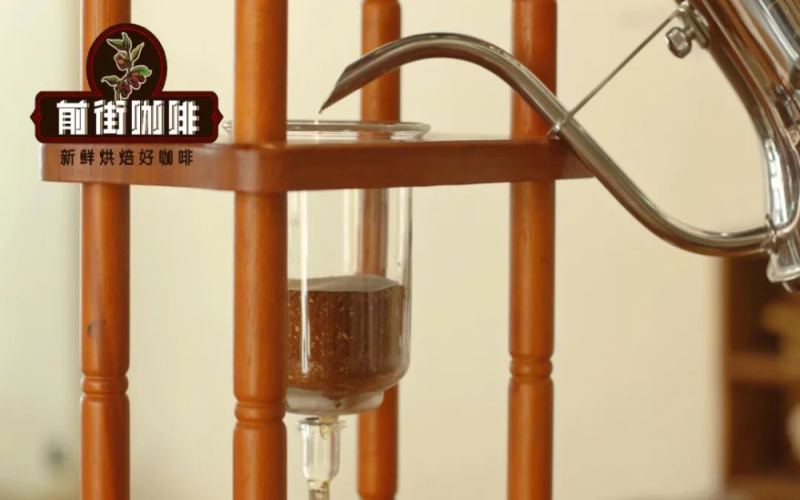
The Complete Guide to Making Cold Brew Coffee: Detailed Steps from Bean Selection to Refrigerated Fermentation and Front Street Flavor Recommendations
Cold brew coffee, with its refreshing taste and rich layers of flavor, has become a favorite among many coffee lovers. To make a delicious cold brew, every step is crucial, from choosing the coffee beans to controlling the drip rate. This article starts with the principles of bean selection and, combined with recommendations for several Front Street Coffee beans, explains in detail the process of making cold brew coffee, including the ratio of coffee grounds to water to ice, techniques for using filter paper, drip rate control, and the refrigeration and fermentation time required. Whether you are a beginner just getting into cold brew or an advanced brewer looking to improve your output quality, you will find practical guidance in this guide. [more…]
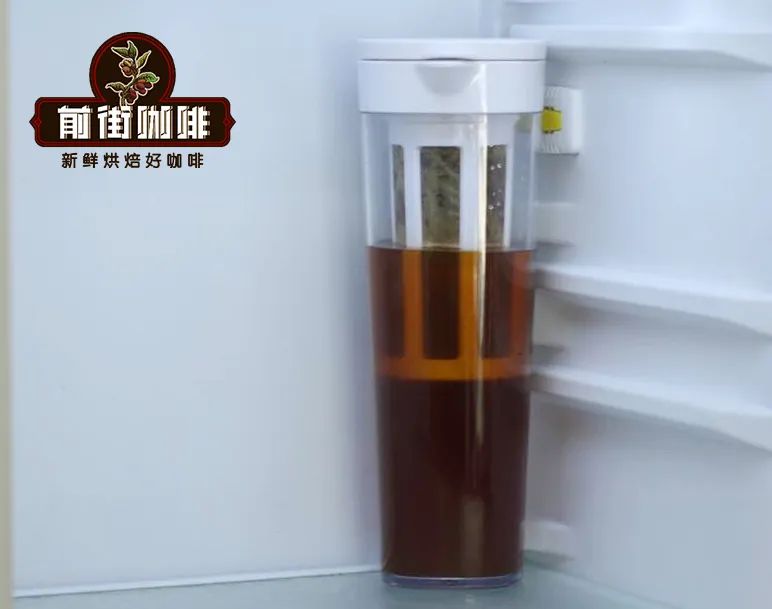
Cold Brew Coffee Brewing Steps | What Water to Use for Cold Brew Coffee? How to Choose Single-Origin Beans for Cold Brew Coffee? What Is the Coffee-to-Water Ratio, Time, and Grind Size for Making Cold Brew Coffee?
For more specialty coffee knowledge, please follow: Front Street Coffee (Frontsteet Coffee). A while ago, Front Street shared a guide on how to make cold brew coffee, and afterward many readers started asking in the comments how to choose beans for cold brew. So today, let's analyze and answer this question together. [more…]
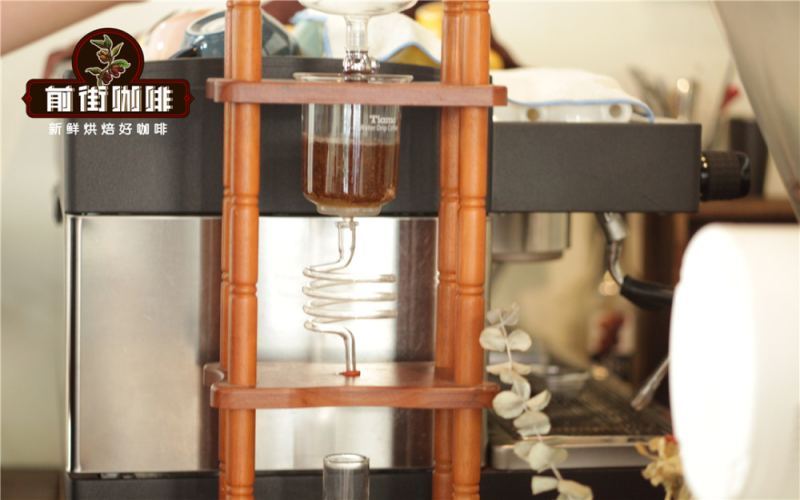
The Complete Guide to Cold Brew Coffee: Low-Temperature Extraction Principles, Brewing Steps, and Three Classic Front Street Coffee Recipes
Cold brew coffee is a brewing method that uses cold water for low-temperature extraction over a long period of time, producing a full, smooth, non-astringent and rounded cup with lower caffeine content than other brewing methods. Its history can be traced back to the Dutch invention on the island of Java in 1699, and today it has become a highly sought-after drink among coffee lovers in summer. This article will systematically introduce the origin of cold brew coffee, the extraction principle, the differences from pour-over coffee, detailed preparation steps and key points for controlling the drip rate, and share three cold brew recipes often used by Front Street Coffee — the dark berry type, the clean and crisp type, and the sweet and pleasant type — while also explaining the best drinking period and storage recommendations for cold brew coffee. [more…]
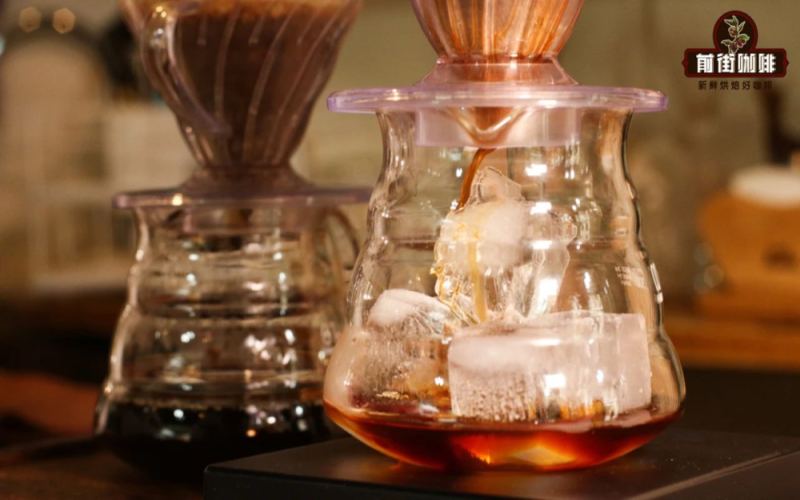
Cold Brew, Ice Drip, and Iced Americano: A Flavor Difference Analysis, Plus Beginner Cold Brew Coffee Steps and Parameters
As the weather warms up, iced coffee becomes a daily choice for many people. Besides the common iced Americano, cold brew and ice drip—two low-temperature extraction methods—are also attracting attention. Iced Americano is made quickly with espresso and ice water, while cold brew and ice drip require hours or even a full day of waiting. In a low-temperature environment, small-molecule flavors—the sweet and sour notes—are extracted first, while large-molecule bitter compounds remain inside the coffee, so the finished cup tastes mellower, more refreshing, and rounder, with noticeably less bitterness. Because ice drip equipment is relatively expensive, cold brew made by direct immersion is more suitable for home use. This article compares the taste characteristics of the three iced coffees and, using Front Street Coffee beans at light, medium, and dark roast levels as examples, provides a set of cold brew parameters and a step-by-step process suitable for beginners, helping you easily make a delicious cup of cold brew coffee at home. [more…]
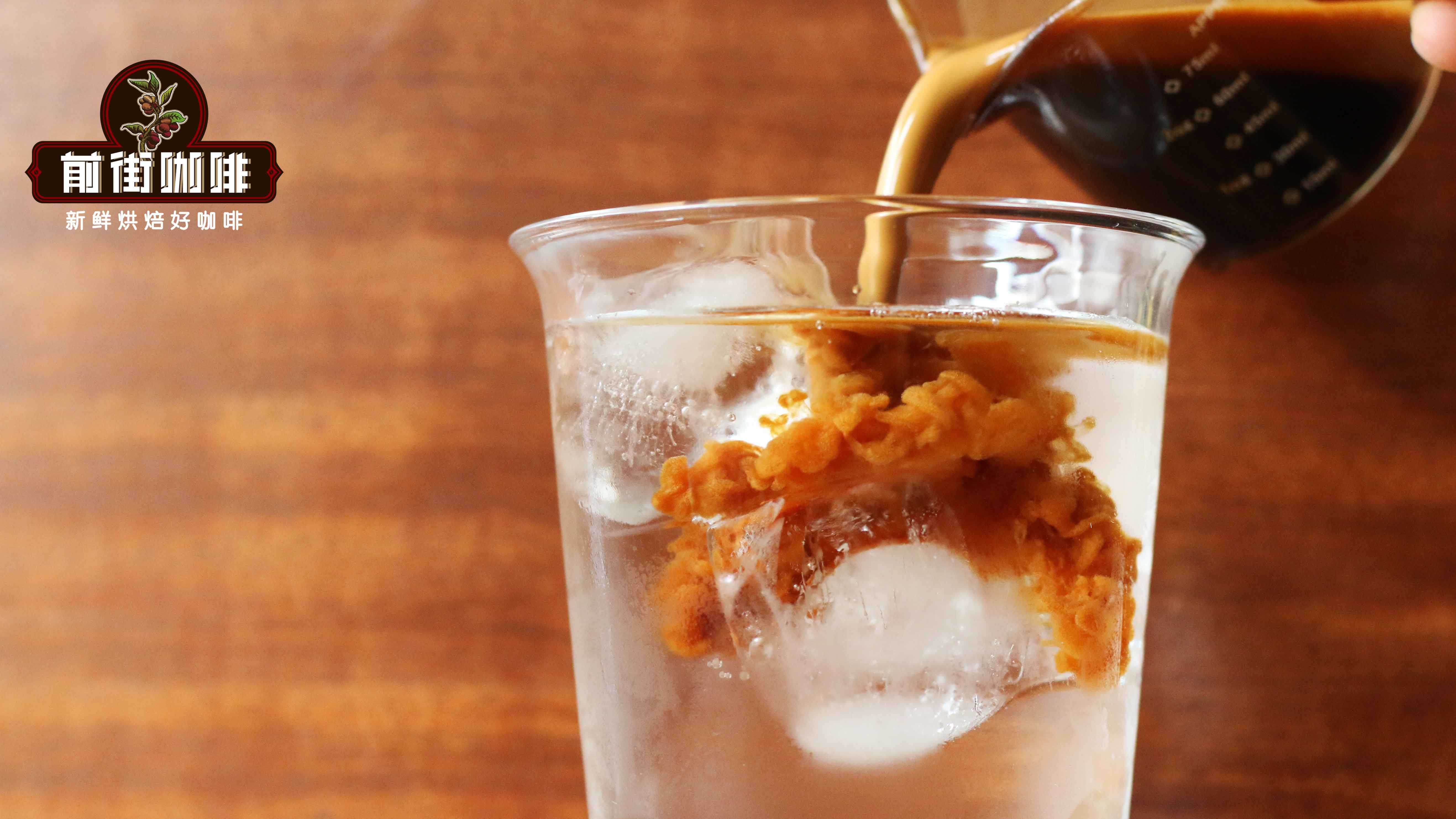
Cold Brew, Ice Drip, and Nitro Coffee Fully Explained: The Extraction Principles, Brewing Steps, and Flavor Differences of Four Iced Coffees
In the height of summer, a glass of iced coffee always brings a refreshing, invigorating coolness. Currently, the most common types of iced coffee are iced Americano, iced pour-over, cold brew, and iced drip, plus nitro cold brew, which is cold brew infused with nitrogen gas. These iced coffees each have their own merits in terms of extraction method, preparation time, equipment threshold, and the final flavor presentation. This article will analyze their differences and distinctive features one by one from the dimensions of extraction principles, detailed preparation steps, ease of operation, and taste characteristics, helping you find the cup of iced coffee that best suits your taste. Whether you prefer something light and crisp or are fond of a rich, fermented flavor, you can find the answer here. [more…]
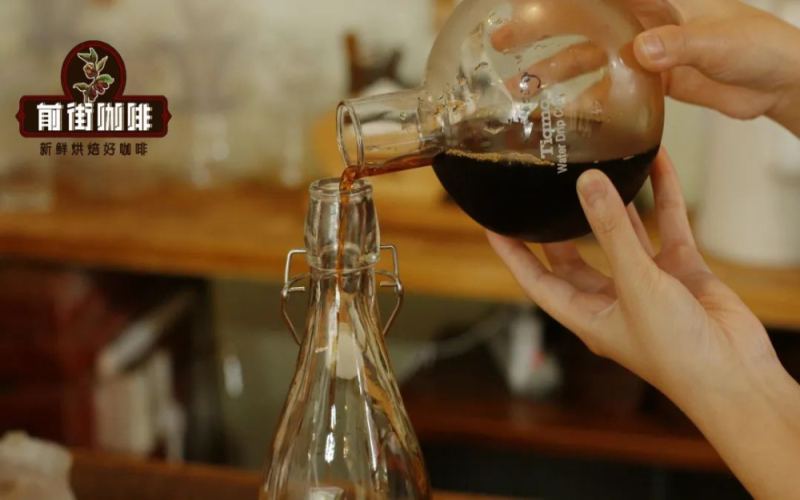
Detailed Guide to Ice Drip Coffee Powder-to-Water Ratio and Brewing Steps: A Complete Guide from Extraction Parameters to Cold-Brewed Flavor
Cold brew coffee is one of the most popular cold extraction methods in summer, but the process is time-consuming, often taking several hours or even a whole day from dripping to completion. To make a cup of cold brew coffee with a rich aroma and a refreshing taste, the key lies in choosing the right coffee beans, mastering the coffee-to-water ratio, and controlling the dripping flow rate. Front Street Coffee will guide you through the complete process of making cold brew coffee, including the recommended light-to-medium roast beans, a coffee-to-liquid ratio range of 1:8 to 1:14, an optimal flow rate of 7 drops every 10 seconds, and the technique of refrigerating for 12 hours to enhance the flavor, helping you easily make professional-quality cold brew coffee at home. [more…]
What coffee beans should you choose for making cold brew at home? A complete guide from bean selection to the extraction steps
Guangzhou's summer is unbearably hot and humid. Rather than going out and being scorched by the high temperatures, it's better to make a glass of iced cold brew yourself. Cold brew isn't actually complicated—as long as you have coffee beans and ice water, you can get started. However, beans of different roast levels will show completely different flavor directions when soaked at low temperatures—light roasts tend to turn sour, dark roasts tend to turn bitter or even lose their aroma, so medium-roast beans are a more reliable choice. This article will first help you pick suitable coffee beans according to your taste, recommend a few classic options from Front Street Coffee, and then walk you through key parameters such as the coffee-to-water ratio, grind size, and refrigeration time, so you can consistently make a cup of cold brew at home with balanced acidity and sweetness and full-bodied fruity notes. [more…]